Master's Thesis
My master’s thesis project explored the lost seventeenth-century Mathematical Water Theatre in London’s West End. The unique playhouse entertained visitors with a combination of atmospheric spectacles produced through hydraulic, pyrotechnic, and mechanical mechanisms. Its proprietor and engineer, Henry Winstanley, was a notable yet overlooked figure of his time, often dismissed in the scholar record as an eccentric. Similarly, despite the theatre’s popularity few descriptive records survive and no visual or material records.
The aim of the project sought to produce the first reconstruction of the theatre, its interior and exterior, and its complex mechanical apparatuses. Unable to rely on archaeological evidence alone, an innovative approach by engaging with emerging methodologies in historical studies, combining conjectural design, descriptive analysis, and critical fabulation to recover and imagine the theatre’s architecture. Rather than merely attempting to reproduce a knowable historical reality, the reconstruction provided a means of recovering its lost atmospherics while offering insight into Winstanley’s own imagination.
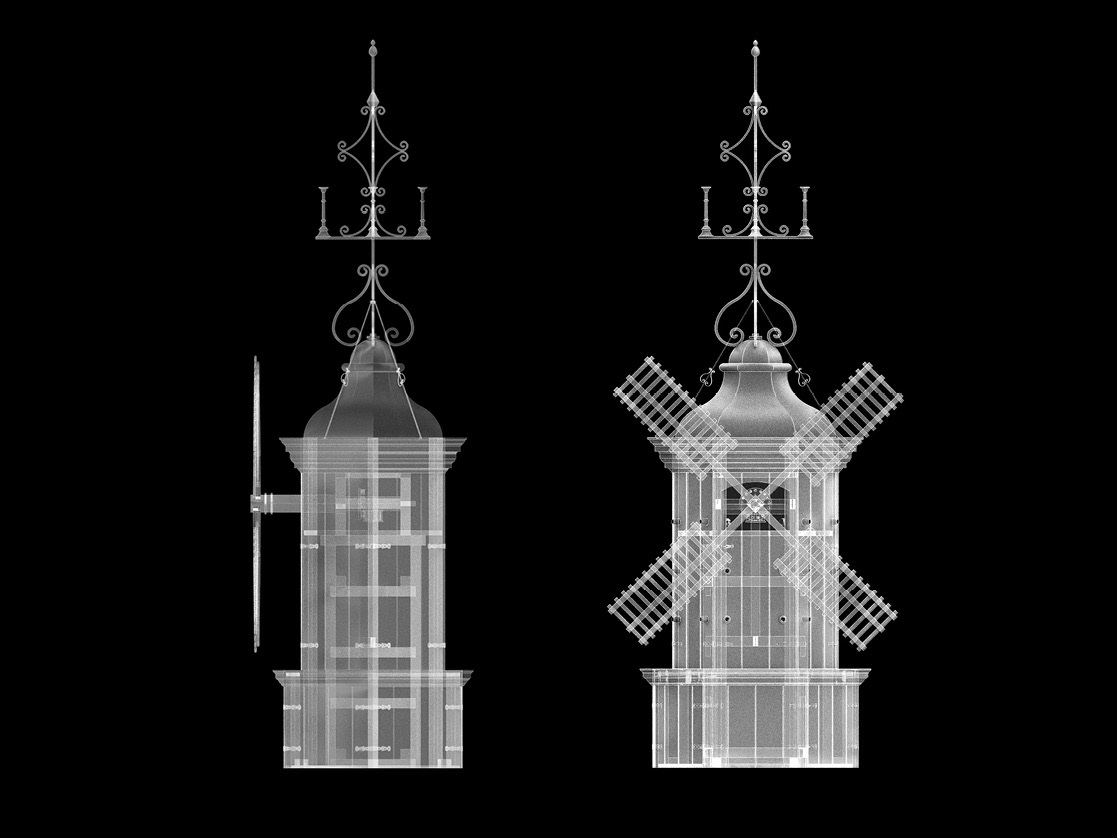
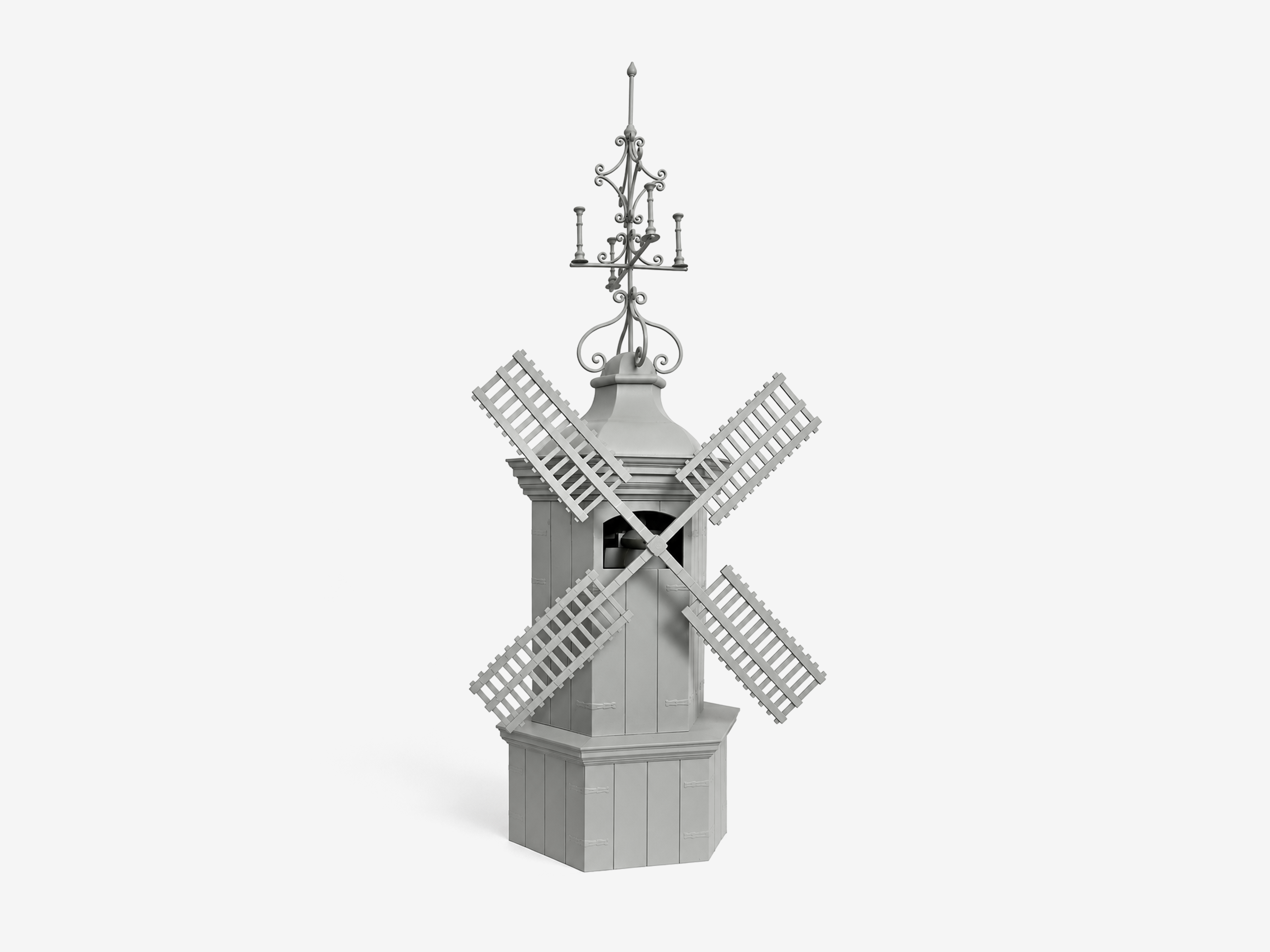
The reconstruction therefore became more than an attempt to recover the theatre’s lost architecture. Through speculation, performance, and historical engagement with Winstanley’s sensibility, the project sought to inhabit the atmospheres, imaginaries and cultural memories of the time. In doing so, reconstruction was approached not as a definitive or objectively recoverable reality, but as a speculative practice through which the past could be activated and embodied as a space of play.